Across the UK, children’s activity franchises have exploded in number over the past decade. From toddler music groups and baby sensory sessions to after-school foreign-language clubs and messy-play mornings, the market appears vibrant and full of opportunity. On the surface, these brands promise a perfect solution for young mothers seeking flexible, family-friendly work combined with the emotional reward of contributing to early-years development.
However, behind the Instagram branding, pastel-coloured logos, and stories of “empowered mum-preneurs,” lies an industry suffering from deep, systemic problems. For many franchisees, these businesses do not deliver the income, security, or lifestyle they were promised. Instead, they become financially draining commitments that lock families into multi-year contracts, often ending in distress, debt, and legal pressure from franchisors.
This sector of the UK franchising industry is one of the most problematic with hundreds if not thousands of franchisees who are struggling with exactly these issues. This article explains why children’s activity franchises so often fail, why the franchisors continue to flourish despite this, and what you must know before joining or exiting such a franchise.

Why Children’s Activity Franchises Have Become So Common
Many of these franchisors begin as small local groups started by mothers looking to earn extra income while balancing childcare. If their own classes prove popular, they may see franchising as an opportunity to “scale up.” With no regulation or required qualifications, anyone in the UK can set themselves up as a franchisor.
The franchise business model is attractive to the founder because it glorifies their own success, is cheap to run and far more lucrative than running the original business.
- Training is typically delivered via online videos and tutorials.
- Field support is minimal or non-existent.
- Franchisees are responsible for almost all operational costs.
- Monthly franchise fees provide reliable, recurring income to the franchisor.
- Recruitment and exit penalties generate quick profitability.
In other words, the franchisor’s financial risk is low while the franchisee’s risk is very high.
The core business model: Simple, popular and frequently unprofitable
Almost all children’s activity franchises use the same operational model:
- Hire a local venue such as a church hall or a community centre.
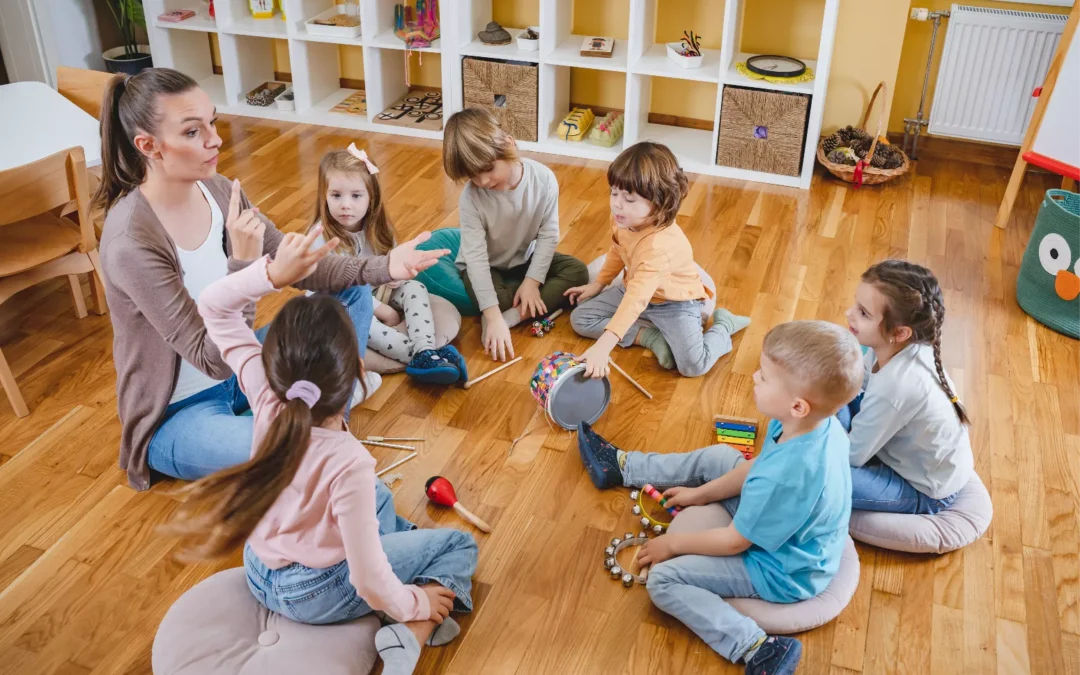
- Run sessions for babies, toddlers, or young children, typically including play, music, movement, art, dancing or language activities.
- Market to local parents, almost always young mothers.
- Charge either per session or via term blocks.
- Repeat weekly and aim to grow enrolment and the number of sessions.
On paper, this looks straightforward. But the financial reality often collapses under a single universal issue: The numbers simply don’t add up.
Franchisees are told that profitability comes from using social media to attract customers and fill up the sessions. In practice:
- Venues are expensive and often require long bookings.
- Parents cancel frequently, especially with sick children.
- Competition is fierce, with most towns having dozens of similar classes.
- Marketing to local mums is much harder than the franchisor suggests.
- Full capacity projections are theoretical, not historical or evidence based.
As a result, even motivated, hardworking franchisees struggle to generate the consistent attendance levels needed to cover venue hire, materials, travel, local marketing, accounting, insurance and, on top of all that, the monthly franchise fee.
The Target Market: Young Mothers Seeking Connection
Many children’s activity franchises cleverly position themselves as more than just businesses, they market themselves as caring communities. Their primary target audience, both as customers and potential franchisees, is young mothers who often feel isolated while caring for infants and toddlers.
Franchisors commonly present themselves as relatable success stories: usually slightly older mothers who describe how starting the business “overcame adversity”, “changed their life,” “gave them confidence”, or “helped them balance motherhood with entrepreneurship”.
This emotional narrative is compelling. For many prospective franchisees, the opportunity is not just financial, it’s personal. It promises identity, independence, and friendship.
But emotional appeal can cloud rational analysis. And when the business doors finally open, reality hits hard.

Minimal Support: Why Franchisees Are Left on Their Own
One of the most consistent issues reported by struggling franchisees is the lack of practical support after their initial onboarding. They are told to “follow the business model”, “do more marketing”, try harder” “keep trying and it will work”. It very seldom does.
Most training consists of:
- Pre-recorded online tutorials
- Simplistic manuals
- Marketing templates
- Occasional group video calls
What franchisees don’t receive is genuine field support. There are few, if any on-site visits, no hands-on help, no meaningful business coaching. The franchisor’s priority is to keep overheads as low as possible so that monthly fees and money from recruiting more franchisees translate directly into profit.
As a result, franchisees often find themselves:
- running loss-making sessions
- unsure how to grow attendance
- unable to market effectively
- isolated and without guidance
- pressured to keep paying even when they cannot afford to
This is the exact opposite of what genuine franchising is supposed to be: a replicable business with proven support systems.
The Five-Year Trap: Why Franchisees Can’t Simply Walk Away
Perhaps the most devastating aspect of children’s activity franchises is the franchise agreement. These contracts typically lock franchisees in for five years (sometimes longer) and require a minimum monthly fee, regardless of how well, or poorly, the business performs.
When franchisees inevitably start to lose money, franchisors:
- reject requests for early termination
- insist on ongoing payments
- threaten legal action
- suggest selling the franchise (which is almost impossible because it is loss-making)
- impose financial penalties for leaving
Because the business has no profitable track record, selling is usually impossible. Many franchisees are left paying to exit, paying to continue, or facing escalating pressure.
This is financially and emotionally catastrophic for families who entered the franchise seeking flexibility and empowerment. Especially if they are young single mothers, as many are.

Why This Problem Exists: Lack of Regulation in the UK Franchise Industry
The scale of the issue within the children’s activity sector is made possible because the UK franchise industry is unregulated.
- No qualifications are required to become a franchisor.
- No proof of profitability is required.
- No independent verification of financial projections is mandated.
- No regulator oversees franchise agreements, ethics, or support levels.
Organisations such as the British Franchise Association are often mistaken for regulators, but in reality, they are membership clubs for franchisors, not consumer-protection bodies. They do not audit profitability, other than refusing membership they have little ability to enforce standards and they seldom intervene in disputes.
This leaves franchisees without meaningful protection and makes children’s activity franchises particularly high-risk.
A Cautionary Message for Anyone Considering a Children’s Activity Franchise
If you are thinking about investing in a children’s activity franchise, please approach with caution. Before signing anything:
- Request real financial performance data from current franchisees—not forecasts.
- Speak privately to franchisees who have left the network.
- Scrutinise the minimum fees and termination clauses.
- Factor in the true cost of marketing and venue hire.
- Be sceptical of emotional marketing stories.
- Ask for evidence that sessions regularly run at full capacity.
- Seek independent advice before committing.
Do not rely solely on the franchisor’s claims. Make sure you understand the real risks.